Compare Local Contractors for Shrub Shaping Services
Compare local contractors for shrub shaping to define project scope, verify experience, and set clear expectations in writing for successful results.
Shrub shaping is a specialized service that typically involves trimming, pruning, and contouring shrubs to enhance a property's landscape. This work can include removing overgrown branches, encouraging healthy growth, and creating a balanced, aesthetically pleasing appearance. Depending on the property’s needs, shrub shaping may also involve thinning dense foliage, removing dead or diseased branches, and maintaining the desired size and shape of various shrub varieties. Properly shaped shrubs can improve curb appeal and contribute to a well-maintained outdoor environment, making it important for property owners to work with experienced service providers who understand the nuances of different plant types and shaping techniques.
Defining the scope of shrub shaping work is essential to ensure clear expectations and a successful project. Property owners should consider what specific outcomes they want, such as a formal hedge, natural look, or maintenance of existing shrub shapes. Outlining details like the extent of trimming, the areas to be addressed, and any special considerations-such as preserving flowering branches or avoiding damage to nearby plants-helps prevent misunderstandings. Having a written scope also provides a basis for comparing different local contractors, enabling property owners to evaluate how well each service provider can meet their particular needs and preferences.
When comparing local contractors for shrub shaping, it’s important to consider their experience with similar projects and their ability to handle the scope defined. Property owners can inquire about the types of shrubs they’ve shaped before and request examples of their work or references. Additionally, verifying that contractors understand the specific shaping techniques required for different plant varieties can help ensure quality results. Reviewing how each contractor plans to approach the work and ensuring that expectations are clearly documented in writing can facilitate a smooth process and help identify the service provider best suited to meet the property's landscape goals.
Compare local contractors by outlining your priorities, verifying experience, and clearly defining your project scope.
- Compare Contractor Experience - Review the backgrounds and previous work of local contractors to assess their expertise in shrub shaping.
- Define Scope Clearly - Specify the desired shaping style and extent of work to ensure mutual understanding with service providers.
- Verify Credentials and References - Check references or past projects to confirm the reliability and quality of local contractors.
- Document Expectations in Writing - Establish and agree upon the scope, methods, and responsibilities in a written agreement before work begins.
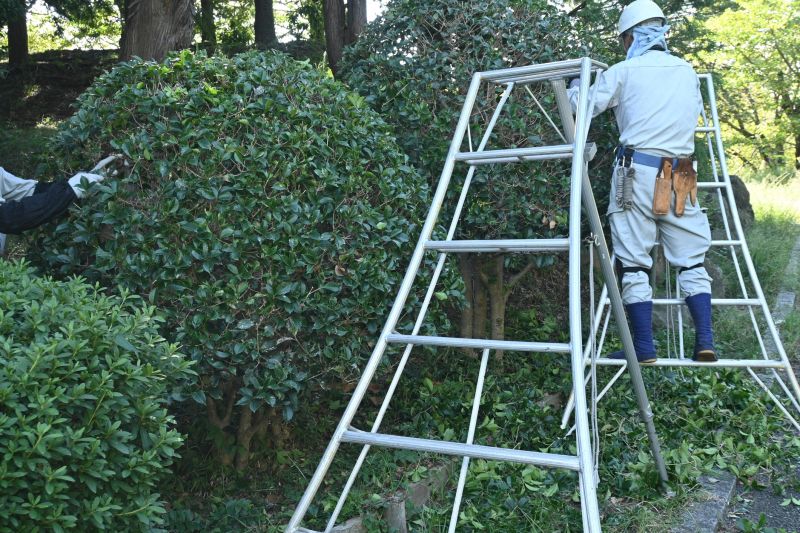
Clearly describe your shrub shaping project to effectively compare local contractors, verify experience, and set expectations in writing.
- Verify experience and expertise in shrub shaping to ensure the contractor understands proper pruning techniques. - Look for contractors who clearly define the scope of work and shaping style in written estimates or proposals.
- Compare multiple service providers to assess their approach and ensure consistency with your desired shrub appearance. - Confirm that contractors can provide references or examples of previous shrub shaping projects.
- Check that the contractor discusses maintenance and shaping expectations to align on the desired shrub form and health. - Ensure the scope of work includes details about shaping frequency and desired shrub height or shape.
- Review the written agreement to include specific instructions on shaping style, pruning methods, and any plant health considerations. - Clarify how the contractor plans to handle delicate or mature shrubs during shaping.
- Assess the contractor’s knowledge of shrub varieties to ensure appropriate shaping techniques are used for different plant types. - Confirm that the service provider can advise on suitable shaping styles for your specific shrubs.
Compare local contractors’ experience and services to clearly define your shrub shaping project scope.


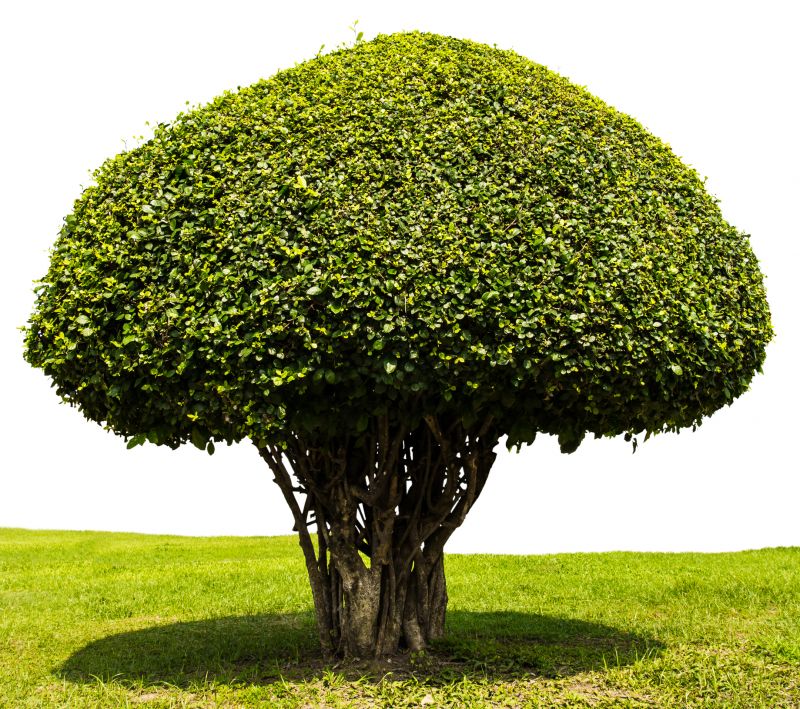
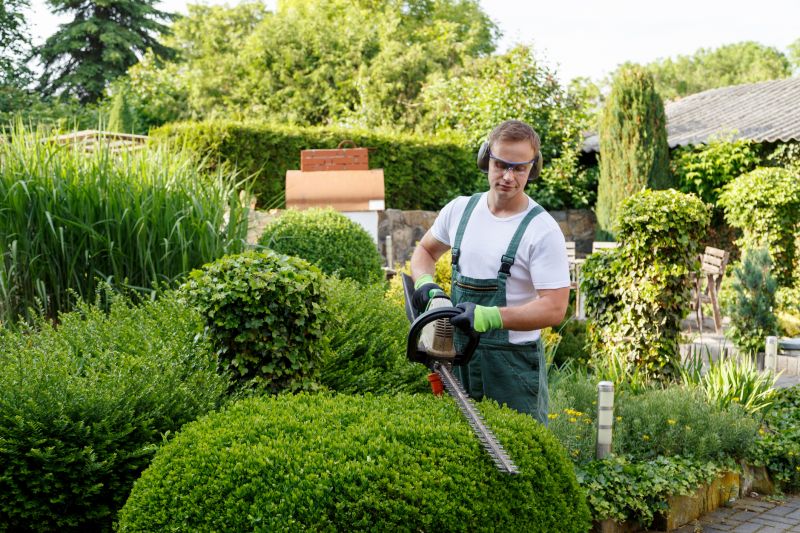
Compare local contractors’ scope definitions and experience to ensure consistent expectations across all service providers.
- Define desired shrub shape and size - clearly specify the intended appearance and dimensions for the shrub shaping project.
- Identify the scope of trimming and pruning - outline which areas and plants are included in the shaping work.
- Verify experience with shrub shaping techniques - ensure service providers have relevant experience and expertise in shaping shrubs.
- Establish detailed work expectations in writing - document the agreed-upon scope, methods, and desired outcomes to prevent misunderstandings.
- Compare local contractors’ capabilities and reviews - evaluate providers based on their skills, reputation, and ability to meet project specifications.
When comparing contractors for shrub shaping, it is important to consider their experience with similar projects. Homeowners should inquire about how long a service provider has been performing shrub shaping work and whether they have handled projects comparable in size and complexity. An experienced contractor will be familiar with different shrub varieties and shaping techniques, which can help ensure the desired results are achieved. Verifying a contractor’s background with similar projects provides insight into their familiarity with the scope and potential challenges of the work.
A clear, written scope of work is essential for setting expectations and avoiding misunderstandings. Homeowners should ask service providers to provide detailed descriptions of what the shrub shaping will entail, including the areas to be shaped, the level of pruning, and any specific styles or standards to be followed. Having this information documented helps ensure both parties are aligned on the project’s scope and provides a reference point throughout the process. Clear communication upfront can contribute to a smoother experience and better results.
Verification basics involve confirming that a contractor has the necessary experience and understanding of shrub shaping. Homeowners can review portfolios, request references, or ask for examples of past projects similar to their needs. It’s also helpful to verify that the contractor has the appropriate tools and techniques for the job. While licensing and certification are not discussed here, gathering evidence of previous work and speaking with past clients can help assess a contractor’s reliability and skill level, reducing the risk of surprises or subpar results.
Evaluating options without focusing on prices involves considering the quality of service, communication, and professionalism of each contractor. Homeowners should compare how well each service provider understands the scope, their level of experience, and the clarity of their proposals. It is also beneficial to assess how promptly and thoroughly they respond to questions and whether their approach aligns with the homeowner’s expectations. By focusing on these qualitative factors, homeowners can identify service providers who are well-equipped to deliver the desired shrub shaping results and establish a productive working relationship.
Request written scope details from local contractors to ensure clear expectations and consistent shrub shaping.
- Experience and Expertise - What specific experience do local contractors have with shrub shaping projects similar to yours?
- Scope of Work - How do contractors define and outline the scope of shrub shaping services included in their proposals?
- Services Offered - What techniques and tools do local service providers use to achieve the desired shrub shaping results?
- Communication and Expectations - How do contractors clarify project expectations and ensure alignment in writing before starting work?
- Comparison Factors - What criteria should be used to compare different local contractors’ approaches and scope of services?
What should I consider when choosing a contractor for shrub shaping? It's important to compare the experience, reputation, and scope of services offered by different local service providers to find a contractor that aligns with your needs.
How can I verify a shrub shaping contractor's experience? You can review their portfolio, ask for references, or check online reviews to assess their past work and expertise in shrub shaping projects.
What questions should I ask a contractor before hiring for shrub shaping? Inquire about their previous experience, the methods they use, and how they define the scope of work to ensure clear expectations and understanding.
How important is it to have a written agreement with a shrub shaping contractor? Having a detailed written scope of work helps ensure both parties are aligned on expectations, services included, and project details.
Can I compare different contractors easily for shrub shaping services? Yes, by reviewing their experience, scope of services, and references, you can compare multiple local contractors to find the best fit for your project.
Should I focus on contractor credentials or reputation when selecting a shrub shaping service provider? Emphasizing reputation and proven experience can help identify contractors who consistently deliver quality shrub shaping work that meets your expectations.
Contractors for shrub shaping offer a range of skills and approaches, making it important to compare options carefully. Visitors learned how to define the scope of the work, verify experience, and ensure clear communication by setting expectations in writing. This helps in making informed decisions and choosing service providers that align with specific needs.
Using the quote form to compare local contractors is a practical step toward finding the right fit for shrub shaping projects. It provides an efficient way to gather information and connect with experienced service providers in the area, supporting a straightforward process to meet individual landscaping goals.