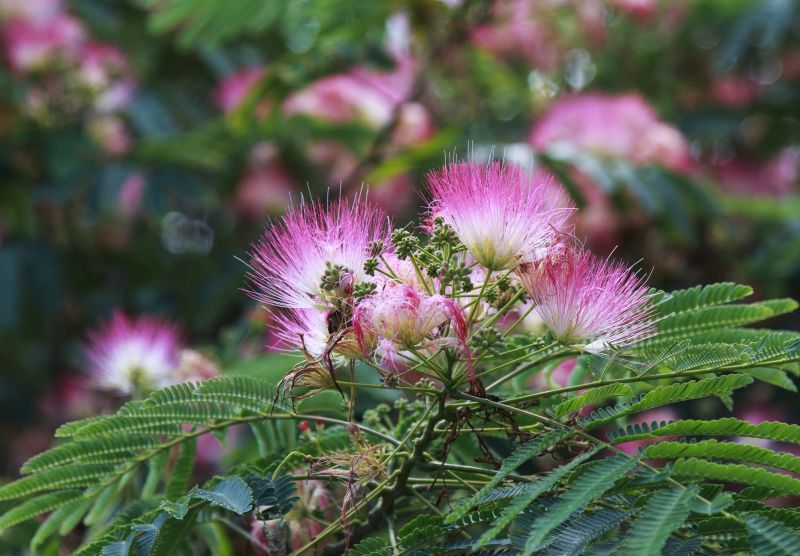
Mimosa Tree Removal in San Jose, CA
Mimosa tree removal services involve the safe and efficient elimination of mature mimosa trees that may pose risks or no longer serve a desired purpose on a property. These projects typically include removing dead or hazardous branches, clearing entire trees due to disease or overgrowth, and managing trees that interfere with structures, power lines, or landscaping. Property owners often seek this service to improve safety, prevent property damage, or to prepare for landscaping or construction projects.
Before requesting mimosa tree removal, property owners should consider the size and location of the tree, as well as any potential impact on surrounding plants or structures. It is important to evaluate whether the removal will require permits or adherence to local regulations, especially for larger or protected trees. Understanding the scope of work and potential effects on the landscape can help ensure the process proceeds smoothly and aligns with property management goals.
Many property owners in San Jose, CA look into Mimosa Tree Removal for repairs, replacements, upgrades, and appearance-related improvements.
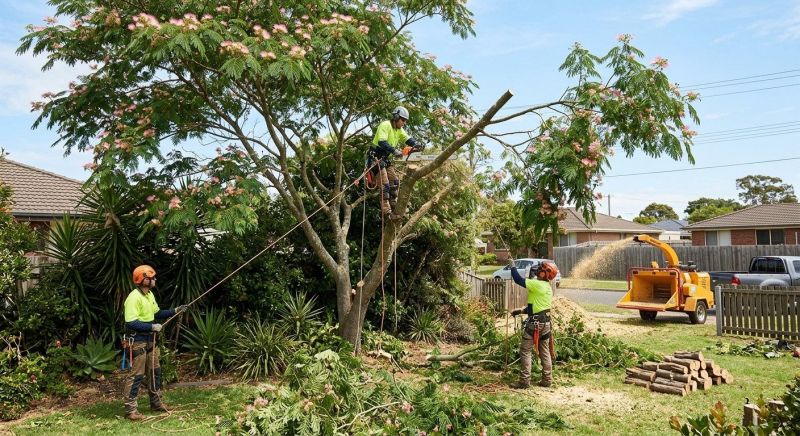
Reasons To Remove A Mimosa Tree
Overgrown or damaged trees can pose safety risks and affect property value.
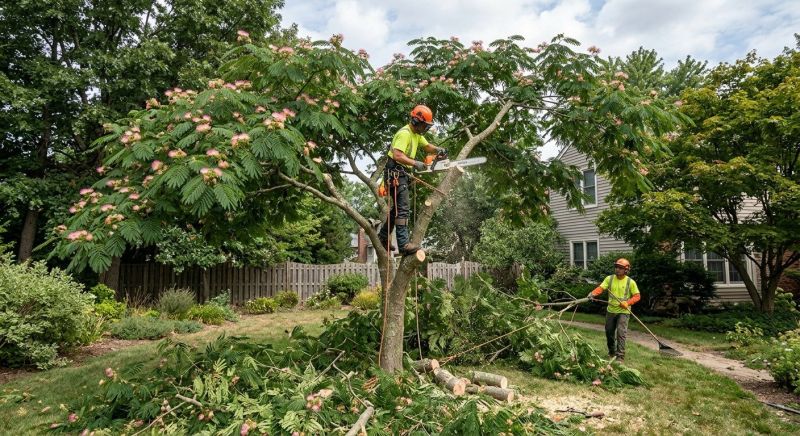
Signs Your Mimosa Tree Needs Care
Wilting leaves, dead branches, or leaning trunks may indicate the need for removal or professional assessment.
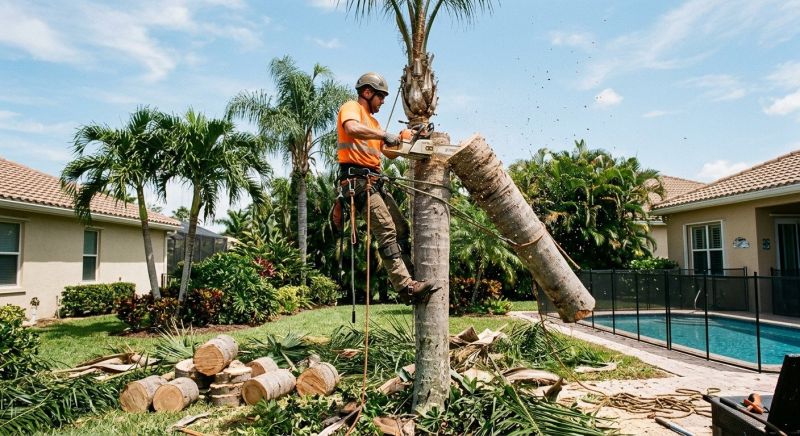
Benefits Of Professional Tree Removal
Proper removal ensures safety, prevents property damage, and maintains the landscape's health and appearance.
Mimosa Tree Removal in San Jose, CA
Mimosa tree removal services involve the safe and efficient elimination of mature mimosa trees that may pose risks or no longer serve a desired purpose on a property. These projects typically include removing dead or hazardous branches, clearing entire trees due to disease or overgrowth, and managing trees that interfere with structures, power lines, or landscaping. Property owners often seek this service to improve safety, prevent property damage, or to prepare for landscaping or construction projects.
Before requesting mimosa tree removal, property owners should consider the size and location of the tree, as well as any potential impact on surrounding plants or structures. It is important to evaluate whether the removal will require permits or adherence to local regulations, especially for larger or protected trees. Understanding the scope of work and potential effects on the landscape can help ensure the process proceeds smoothly and aligns with property management goals.
Many property owners in San Jose, CA look into Mimosa Tree Removal for repairs, replacements, upgrades, and appearance-related improvements.
Common Mimosa Tree Removal Jobs
Mimosa Tree Removal - Safely removing mature or damaged mimosa trees to prevent property damage.
Stump Grinding - Eliminating remaining stumps to improve yard safety and appearance.
Emergency Tree Removal - Addressing fallen or hazardous mimosa trees after storms or accidents.
Selective Tree Thinning - Reducing tree density for healthier growth and better sunlight exposure.
Partial Tree Removal - Removing specific branches or sections to improve tree health or structure.
Complete Tree Removal - Fully removing mimosa trees that are diseased, invasive, or no longer desired.
Mimosa Tree Removal Questions
Why remove a Mimosa Tree? Removal may be necessary if the tree is damaged, diseased, or causing property issues such as root invasion or excessive debris.
Is Mimosa tree removal safe for my property? Proper removal techniques help prevent damage to surrounding landscaping and structures, ensuring safety during the process.
What signs indicate a Mimosa Tree needs removal? Signs include dead or dying branches, leaning or unstable growth, and extensive pest or disease problems.
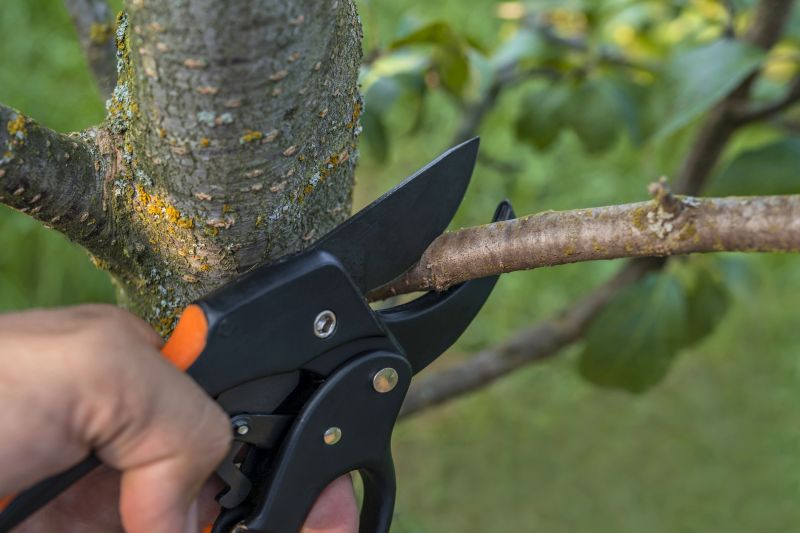
Can a Mimosa Tree be pruned instead of removed? Pruning can manage some issues, but if the tree is severely damaged or problematic, removal may be the best option.
Request Mimosa Tree Removal in San Jose, CA
Use the quote form on this page to share the basics of your project and request more information for the type of work you need.